
Last Update: January 13, 2026
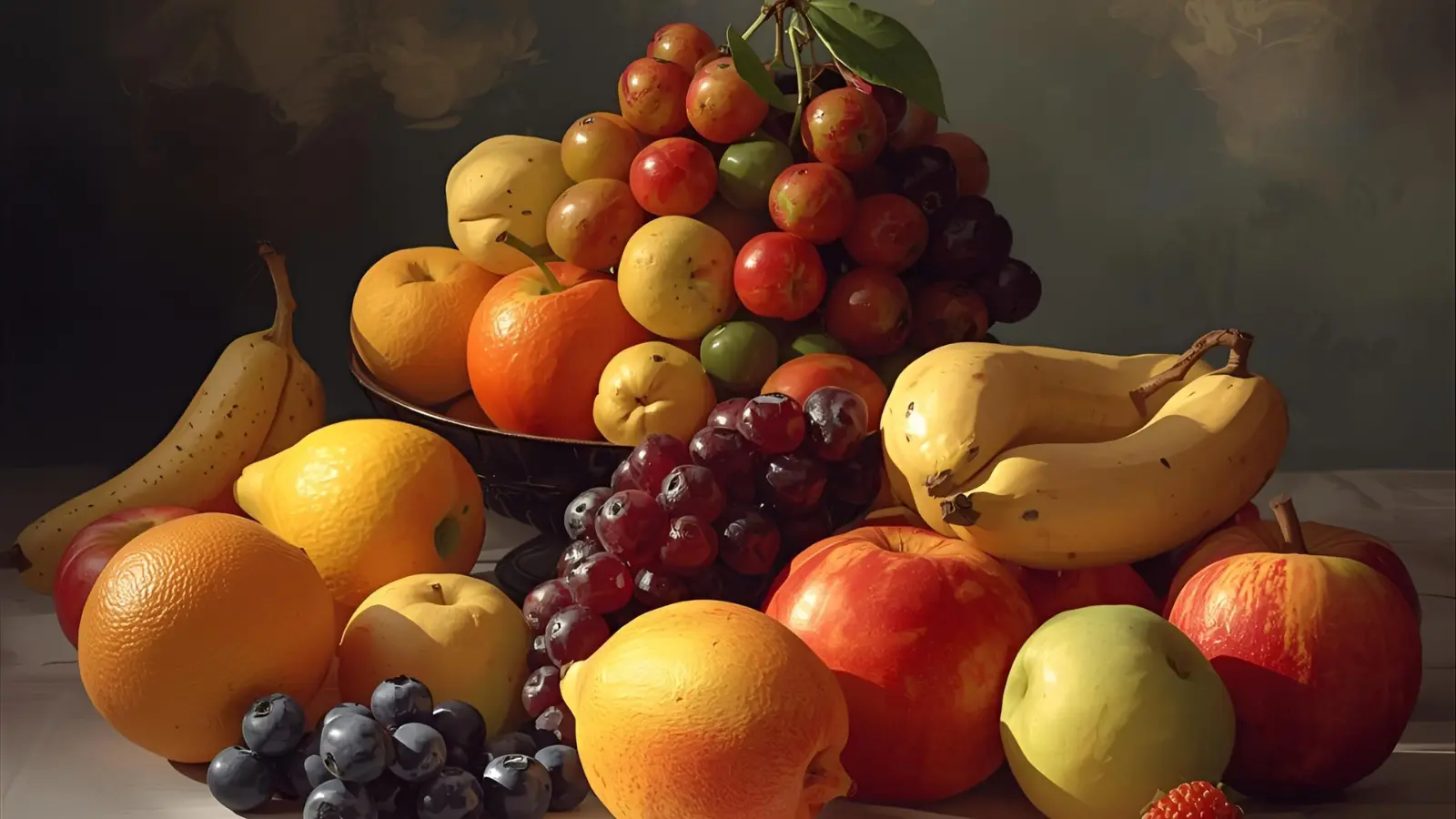
Fruit Symbolism speaks in a language almost everyone understands: what feeds us also shapes what we believe. Across cultures, fruit becomes a sign of abundance, fertility, prosperity, and seasonal harvest, yet it can just as easily point to temptation, desire, and the cost of knowledge. In sacred texts and folk traditions, fruit carries divine provision, blessings, and moral virtue, while in art and myth, it reflects nourishment, vitality, renewal, and the cycles of life. Whether it appears in mythology, scripture, ritual offerings, or everyday celebration, fruit often symbolizes the meeting point between the earthly and the spiritual—pleasure with meaning, and beauty with a lesson.
Quick Summary:
Fruit Symbolism most often represents life’s “good things made visible” abundance, fertility, and provision—because fruit is the result of growth, season, and harvest. At the same time, fruit can symbolize temptation and moral choice (especially in Biblical storytelling), while other traditions use specific fruits to express virtues, prosperity, longevity, protection, and the repeating cycles of life, death, and renewal. The exact meaning depends on the fruit, the culture, and the context (ritual, art, myth, or scripture).
TL;DR
• Fruit symbolism centers on abundance, fertility, pleasure, growth, and life’s cycles.
• It can also signal temptation, desire, choice, and consequences.
• Specific fruits carry “signature meanings” that shift by culture and era.
• In art, ripe fruit suggests vitality; rotting fruit suggests time passing.
• In dreams, fruit often reflects timing, opportunity, and emotional needs.
• In modern America, fruit shows up in gifts, décor, tattoos, branding, and emojis.
General Symbolism of Fruits 🌟
Fruit symbolism starts with a simple truth: fruit is the “result” of growth. That’s why it becomes a symbol for outcomes, rewards, and seasons in life. In the USA, fruit meaning is also shaped by everyday habits—fruit baskets, holiday tables, school lunches, and wellness culture.
Abundance and Prosperity: Fruits often symbolize plenty, generosity, and “enough to share.”
Life and Vitality: They represent nourishment, energy, youthfulness, and renewal.
Wisdom and Knowledge: Some fruits symbolize insight, learning, or moral testing.
Transformation: Fruit reflects cycles—growth, ripening, harvest, decay, and return.
Love and Desire: Fruit can symbolize sweetness, attraction, romance, and sensuality.
Extra context that changes the meaning fast (important):
• Ripe, fresh fruit usually signals readiness, reward, or blessing.
• Bruised or rotting fruit often signals neglect, regret, or “past its time.”
• Cut fruit can imply openness, intimacy, or vulnerability.
• A shared bowl of fruit often signals hospitality and connection.
Symbolism of Specific Fruits 🍎
Different fruits carry different “vibes” because of taste, color, rarity, and cultural stories. In the USA, meanings often blend: people mix family traditions, faith language, pop culture, and internet symbolism.
Apple 🍏
The apple is one of the most recognizable symbols in American life. It can point to knowledge and choice, but it also carries “healthy, wholesome, classic” energy.
- Western Tradition: Often linked with knowledge, temptation, and moral choice in famous Biblical storytelling and Western art.
- Celtic Symbolism: Apples appear in older European traditions as symbols of otherworldly blessing, healing, or immortality.
- Modern Interpretation: In the USA, apples strongly symbolize health, learning, and success. The “teacher apple” became a cultural shorthand for education and appreciation, and apple pie became a classic symbol of American home-life and tradition.
- USA nuance: Apples can also represent “wholesome identity,” simple values, home, comfort, and nostalgia.
Pomegranate 🍎
Pomegranates often symbolize depth because they’re full of hidden seeds. They’re commonly tied to renewal, abundance, and the idea that “there’s more inside than you can see.”
- Greek Mythology: Often tied to life, death, and rebirth through the Persephone story, where the fruit becomes linked with cycles and seasons.
- Biblical Symbolism: In some faith contexts, it’s associated with abundance, blessing, and righteousness.
- Spiritual Meaning: Pomegranates can symbolize hidden potential—many seeds inside one fruit. That’s why it’s often used to represent unity, devotion, and “more within than you can see.”
- USA nuance: Pomegranates are popular in fall and winter aesthetics, and they often symbolize depth, resilience, and renewal.
Banana 🍌
Bananas usually read as playful and upbeat, but they can also symbolize nourishment and everyday energy. Because they grow in clusters, some traditions connect them with prosperity and growth.
- Cultural Symbolism: In many tropical settings, bananas can symbolize prosperity, nourishment, and fertility because they grow in large clusters and feel “life-giving.”
- Modern Symbolism: In the USA, bananas often read as playful and humorous. They can also symbolize energy and “quick fuel.”
- Modern caution: Online, banana imagery can sometimes be used as cheeky humor. Context matters, especially in captions and emojis.
Grapes 🍇
Grapes are strongly linked with celebration and togetherness. They can represent abundance and joy, especially in harvest and gathering settings.
- Ancient Egypt and Greece: Grapes were tied to abundance, celebration, and divine blessing because they became wine and were used in ritual life.
- Christianity: Grapes can symbolize wine and communion, so they often carry spiritual meanings tied to devotion and sacred community.
- Modern Meaning: In American life, grapes often symbolize gatherings, success, pleasure, and social connection—especially when paired with wine culture or harvest themes.
- USA nuance: Grapes also fit “harvest season” symbolism—gratitude, togetherness, and enjoying what you’ve grown.
Orange 🍊
Oranges often symbolize warmth, vitality, and optimism. In many contexts they feel like a “fresh start” fruit—bright, energizing, and uplifting.
- Chinese Culture: Oranges are often tied to luck, prosperity, and joy, especially around holiday gifting.
- Western Interpretation: Oranges can symbolize vitality, optimism, and warmth because they feel like “sunlight you can eat.”
- Spiritual Meaning: Oranges may be associated with enthusiasm, creativity, and emotional uplift.
- USA nuance: Oranges also connect to freshness and energy—think breakfast, sunshine states, and bright new starts.
Lemon 🍋
Lemons tend to symbolize cleansing and clarity. They can suggest a reset, honest truth, or turning something sour into something meaningful.
- Symbol of Cleansing: Lemons often symbolize purification, clarity, and “clearing out what’s stale.”
- Cultural Meaning: In some traditions, lemons are used as protective symbols meant to ward off negativity.
- Modern Interpretation: In American sayings, lemons can represent hardship turned into strength (“make lemonade”). They also symbolize honesty, sharp, bright, and real.
- USA nuance: Lemon imagery often fits “reset energy”—decluttering, detox culture, and fresh boundaries.
Cherry 🍒
Cherries often symbolize sweetness, romance, and the thrill of a brief moment. They can also hint at “something extra” or a finishing touch, depending on context.
- Romance and Desire: Cherries can symbolize sweetness, attraction, and “the cherry on top” of a good moment.
- Japanese Symbolism: In Japan, cherry blossoms (more than the fruit) symbolize impermanence beauty that doesn’t last. That idea sometimes spills into modern cherry symbolism too.
- Spiritual Meaning: Cherries can symbolize innocence, renewal, and the brief intensity of joy.
- USA nuance: Cherries can also signal playful confidence in fashion and pop culture.
Strawberry 🍓
Strawberries usually carry soft, joyful symbolism—sweetness, delight, and gentle love. They’re often used to signal indulgence, romance, or simple happiness.
- European Folklore: Strawberries can symbolize purity mixed with desire—sweetness with emotion.
- Christian Symbolism: In some older art traditions, strawberries were linked with righteousness or goodness.
- Modern Interpretation: In the USA, strawberries often symbolize delight, romance, indulgence, and “soft happiness.”
- Online nuance: Strawberry imagery can be flirty or aesthetic-driven. Context decides which.
Pineapple 🍍
Pineapple symbolism is closely tied to hospitality and welcome in American décor. It often suggests warmth, friendliness, and a home that’s open to others.
- Hospitality and Welcome: Pineapple became a well-known symbol of welcome and hosting, especially through American décor traditions.
- Spiritual Meaning: Pineapple can symbolize warmth, friendship, generosity, and abundance.
- Modern Usage: Pineapple often signals celebration, tropical lifestyle, and “good guest energy.”
- Modern caution: In some online spaces, an upside-down pineapple can carry a sexual “coded meaning.” If your goal is family-friendly messaging, use pineapple imagery in clear hosting, food, or décor contexts.
Watermelon 🍉
Watermelon commonly symbolizes summer joy, sharing, and community gatherings. It also signals refreshment and a carefree, celebratory mood.
- Summer and Celebration: Watermelon often symbolizes joy, refreshment, and community gatherings.
- Cultural Meaning: In some places, watermelon is linked to fertility and prosperity because of its many seeds.
- USA nuance (important): Watermelon also has a history of being used in racist stereotypes against Black Americans. So it’s best to use watermelon imagery thoughtfully—especially in branding, memes, or humor.
Fig 🍈
Figs often symbolize quiet depth—growth that takes time and becomes sweet later. They can also represent inner wisdom, privacy, and a more mature kind of abundance.
- Ancient Civilizations: Figs have been linked to fertility, enlightenment, and hidden knowledge in several older traditions.
- Biblical Symbolism: Fig trees can symbolize peace, security, and prosperity in faith language.
- Spiritual Meaning: Figs can reflect patience and nurturing potential, something sweet that develops slowly.
- USA nuance: Figs often feel “mature” and symbolic of depth—quiet confidence, private growth, and grounded abundance.
Coconut 🥥
Coconuts often symbolize resilience and hidden strength. Their hard shell and nourishing inside make them a natural symbol for “protected on the outside, rich within.”
- Tropical Symbolism: Coconut can symbolize resilience, sustenance, and resourcefulness.
- Spiritual Meaning: The hard shell and nourishing interior often symbolize hidden strength—what’s protected outside but rich within.
- USA nuance: Coconut imagery can also signal escape, wellness, and “island calm,” especially in modern décor and lifestyle posts.
Peach 🍑
Peach symbolism often feels soft, warm, and “easy to love.” In many traditions it’s linked with sweetness and long life, and in modern American culture it commonly signals affection, charm, and summertime comfort.
• Sweetness and affection: gentle love, kindness, emotional warmth
• Longevity and blessing: a “long, good life” wish in some traditions
• Youthful glow: beauty, freshness, and a pleasant presence
• Comfort and nostalgia: summer memories, homey joy, family gatherings
• Modern note: the peach emoji can be suggestive online—context matters
Mango 🥭
Mango symbolism leans bold and joyful like a celebration you can taste. Because mangoes feel rich, fragrant, and golden, they’re often connected with pleasure, devotion, and abundance.
• Abundance and richness: “life is full” energy, reward, plenty
• Joy and celebration: festivals, happy moments, shared sweetness
• Devotion and love: affectionate feelings, admiration, heartfelt bonds
• Vitality: warmth, energy, passion without heaviness
• Modern USA vibe: tropical lifestyle, confidence, bright mood aesthetics
Avocado 🥑
Avocado symbolism is newer in the USA, shaped by wellness culture and everyday habits. It often represents nourishment, balance, and “soft strength”—healthy comfort that still feels satisfying.
• Nourishment and self-care: health-focused choices, taking care of yourself
• Balance: steady energy, grounded routines, calm stability
• Soft strength: gentle resilience, strong inside without being harsh
• Modern lifestyle symbol: freshness, mindful living, “simple upgrades”
• Digital meaning: usually playful or wellness-coded; rarely spiritual unless personal
| Fruit | Key Symbolism | Common USA Associations | Notes / Context |
|---|---|---|---|
| Apple | knowledge, choice, health | teacher gift, “apple pie,” wholesome tradition | Can also hint temptation in Bible/art contexts |
| Pomegranate | rebirth, depth, abundance | winter décor, myth vibes, “many seeds” meaning | Often read as resilience + hidden potential |
| Banana | prosperity, fertility, playful energy | quick fuel, humor, casual positivity | Online can be used as cheeky humor—context matters |
| Grapes | celebration, plenty, community | gatherings, wine culture, communion themes | Can symbolize joy or indulgence depending on scene |
| Orange | joy, vitality, good luck | sunshine, freshness, upbeat mood | Often signals warmth + energy, “bright season” |
| Lemon | cleansing, clarity, reset | “make lemonade,” fresh start vibe | Strong “honest/clear” feel; also protective in folklore |
| Cherry | romance, beauty, fleeting pleasure | playful sweetness, “cherry on top” | Can signal flirtation or brief joy—tone decides |
| Strawberry | delight, sensuality, gentle love | romance aesthetic, soft happiness | Often reads as sweetness + indulgence |
| Pineapple | hospitality, welcome, warmth | home décor, hosting, friendship | Upside-down pineapple can be coded online—be clear |
| Watermelon | joy, summer, community | picnics, refreshment, shared fun | Has racist stereotype history—avoid joke/meme misuse |
| Fig | fertility, peace, hidden knowledge | “deep” mature vibe, quiet growth | Can signal vulnerability or wisdom in faith language |
| Coconut | resilience, inner strength, resourcefulness | tropical calm, wellness lifestyle | “Hard outside, nourishing inside” symbolism fits well |
| Peach | sweetness, affection, longevity (often) | summer warmth, soft romance | Emoji can be suggestive online—context matters |
| Pear | comfort, stability, gentle love | cozy home vibe, quiet sweetness | Often reads as calm, steady support |
| Mango | pleasure, celebration, devotion | tropical joy, rich warmth | Great for “abundance + delight” themes |
| Avocado | nourishment, modern wellness, “soft strength” | health culture, self-care vibe | More lifestyle-symbol in USA than ancient symbol |
Fruit Symbolism in Literature and Art 📚🎨
Fruit in stories and art rarely means “just food.” Writers use fruit to represent desire, choice, innocence, reward, and consequences. Artists use fruit to show beauty—and how quickly it fades.
- Renaissance Art: Apples often signaled temptation and moral testing, while grapes could signal celebration, devotion, or divine blessing.
- Still Life Traditions: Fruit bowls can represent abundance, but rotting fruit can symbolize time passing, life’s fragility, and the limits of youth.
- Fairy Tales: Magical apples or berries often symbolize tests, transformation, and hidden truth.
- Modern Media: Fruit still works as a shortcut symbol of innocence (fresh fruit), danger (poisoned fruit), longing (unreachable fruit), or reward (harvest).
- Why this matters to a USA reader: Fruit imagery is common in home décor, prints, and book covers. It often carries meaning even when no one says it out loud.
Spiritual Symbolism of Fruits ✨
Spiritually, fruit can symbolize what grows inside you and shows up outside you. That’s why fruit language is used to talk about character, outcomes, and blessings.
- Fertility and Life: Fruit can symbolize creative power, growth, and life force.
- Wisdom and Knowledge: Some fruits represent insight, awakening, and moral awareness.
- Temptation and Desire: Fruit can symbolize cravings and choices of what you want versus what’s wise.
- Transformation and Cycles: Fruit reflects growth, ripening, harvest, rest, and renewal.
- USA faith-language note: In Christian contexts, “fruit” can mean the visible results of spiritual life (often called “fruit of the Spirit”). Many Americans recognize this meaning even outside church settings because it’s part of common cultural language.
Fruit Symbolism in Dreams 🌙💭
Dream fruit meanings often revolve around timing, desire, and emotional needs. In simple terms: fruit dreams ask, “What’s ready?” and “What are you hungry for?”
- Eating Fruit: Often points to nourishment, pleasure, fulfillment, or receiving something you needed.
- Rotten Fruit: Can suggest missed chances, neglect, regret, or something that felt good but turned unhealthy.
- Fruit Trees: Often symbolize long-term growth, potential, and what your “future harvest” could be.
- Picking Fruit: Can signal initiative, reward, achievement, or finally claiming what you earned.
- Sharing Fruit: Often reflects generosity, relationships, trust, and emotional connection.
Helpful dream detail:
• Bright color + good taste often signals clarity and healthy desire.
• Sour taste or bugs often signal discomfort, stress, or a warning.
Modern Applications of Fruit Symbolism 🌐
In modern America, fruit symbolism shows up everywhere, from kitchen décor to emojis. It’s often used to signal identity, mood, lifestyle, and values.
- Interior Design: Fruit art can symbolize abundance, freshness, hospitality, or “home warmth.”
- Tattoos: Fruit tattoos can represent joy, romance, resilience, heritage, or a personal turning point.
- Mindfulness Practices: Fruit can remind people to slow down, notice seasons, and appreciate what’s growing.
- Marketing and Branding: Fruit imagery is used to signal health, energy, freshness, sweetness, or luxury.
- Culinary Arts: Fruit presentation can symbolize celebration, care, and generosity.
Modern caution:
- Some fruit emojis or slang can carry double meanings online. Also, some fruit imagery can be sensitive because of harmful stereotypes (like certain watermelon jokes).
- If you’re using fruit symbols publicly, keep the message clear and respectful.
Life Lessons from Fruit Symbolism 🌱
Fruit symbolism is powerful because it’s practical. It doesn’t just “mean something” it teaches something.
- Appreciate Abundance: Notice what’s already good and shared in your life.
- Embrace Growth: Fruit reminds us that patience and nurturing create results.
- Balance Desire and Discipline: Sweetness is good, but timing and moderation matter too.
- Value Interconnectedness: Fruit grows through seasons and support—so do people.
- Celebrate Life’s Sweetness: Enjoy rewards without losing your grounding.
- A simple takeaway: You can’t force ripeness. But you can care for what you’re growing.
FAQs on Fruit Symbolism ❓
What does fruit symbolize spiritually?
It often symbolizes growth, results, and the “harvest” of your choices. It can also signal renewal and readiness.
Why is fruit linked with temptation?
Because fruit is sweet and desirable, it became a strong metaphor for wanting something “too much.” In many stories, desire and consequences sit side by side.
What does it mean to dream about fruit?
Dream fruit often reflects timing and emotion. Ripe fruit can mean readiness, while rotten fruit can signal neglect or regret.
What does rotten fruit symbolize?
It commonly points to decay, missed timing, or something that wasn’t cared for. Sometimes it also signals a need to let go.
Is fruit symbolism the same in every culture?
No. Some meanings overlap, but many are specific to religion, local stories, and history. Always read the symbol in its cultural setting.
Why do fruit emojis have hidden meanings?
Because online culture repurposes visuals for jokes and codes. Meanings shift fast, so context is everything.
Conclusion 🌟
Fruits are timeless symbols of abundance, creativity, growth, and wisdom. Across cultures, religions, literature, and art, they convey deep meanings that resonate with human experience.
By understanding fruit symbolism, we can appreciate the cycles of life, embrace personal growth, navigate temptation, and celebrate life’s sweetness. Whether in dreams, art, spiritual practice, or everyday life, fruits remind us of nourishment, potential, and the rewards of patience and care. 🍎🍇🍍