
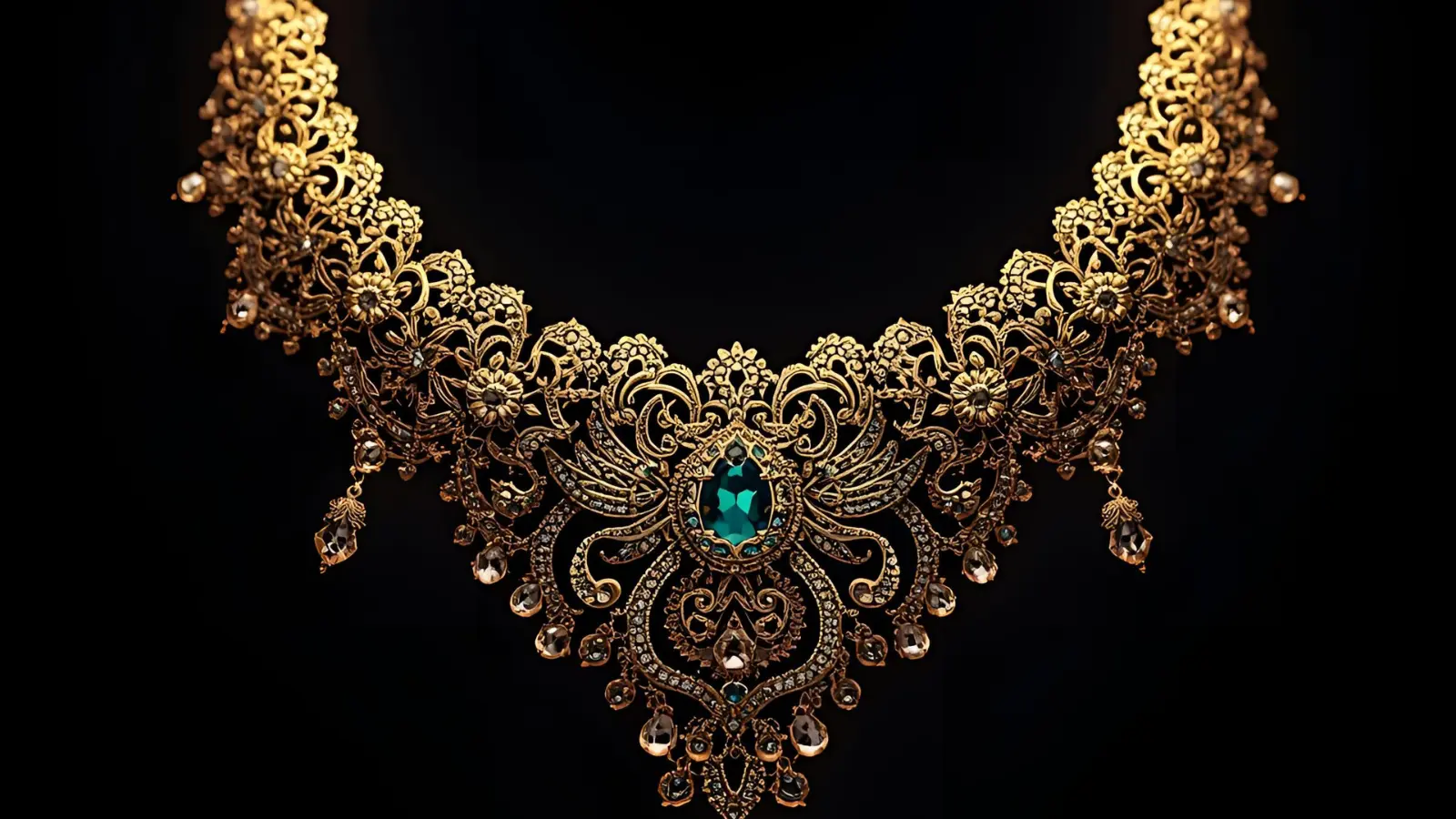
Jewelry has been more than mere decoration for thousands of years. Across cultures, it carries deep symbolic meaning, representing status, love, protection, spirituality, and personal identity.
From ancient amulets to modern rings, jewelry embodies cultural stories, spiritual beliefs, and emotional connections.
This guide explores the symbolism of jewelry, covering spiritual interpretations, historical and cultural significance, symbolism by type and gemstone, and modern applications.
💍 General Symbolism of Jewelry
- Wealth and status – jewelry signifies social position and prosperity.
- Love and commitment – rings and necklaces often symbolize relationships and devotion.
- Protection and luck – amulets, charms, and talismans are worn for safety and fortune.
- Identity and self-expression – jewelry communicates personality and beliefs.
- Spiritual connection – stones and symbols may enhance intuition, mindfulness, or divine connection.
🌿 Spiritual Meaning
- Crystals and gemstones – each carries unique energies and symbolism, like amethyst for peace or turquoise for protection.
- Sacred symbols – crosses, stars, or religious icons represent faith and guidance.
- Jewelry can enhance meditation, manifest intentions, or serve as a spiritual reminder.
🏯 Historical and Cultural Significance
- Ancient Egypt → jewelry symbolized eternal life, protection, and divine favor.
- Greek and Roman traditions → rings and amulets conveyed power, love, and allegiance.
- Asian cultures → jade, gold, and pearls symbolize wealth, luck, and longevity.
- Native American traditions → turquoise and silver jewelry carry spiritual and protective significance.
💎 Symbolism by Type of Jewelry
- Rings → commitment, unity, eternal love.
- Necklaces → protection, heart connection, and personal identity.
- Bracelets → energy, balance, or friendship.
- Earrings → communication, clarity, and spiritual receptivity.
- Brooches and pins → status, individuality, or affiliation.
🌈 Symbolism by Gemstone
- Diamond → purity, strength, and eternal love.
- Ruby → passion, courage, and vitality.
- Sapphire → wisdom, truth, and spiritual insight.
- Emerald → growth, renewal, and prosperity.
- Amethyst → peace, intuition, and protection.
- Pearl → purity, femininity, and emotional balance.
🎨 Jewelry in Art, Literature, and Fashion
- Art → jewelry in paintings symbolizes wealth, social standing, or love.
- Literature → often represents desire, inheritance, or spiritual qualities.
- Fashion – jewelry conveys individuality, cultural identity, and personal expression.
- Tattoos inspired by jewelry – symbolize value, beauty, protection, and personal milestones.
🌿Modern Applications and Life Lessons
- Mindfulness and meditation – gemstone jewelry can enhance energy work and spiritual practices.
- Expression of identity – jewelry reflects personal style, beliefs, and milestones.
- Gift-giving – conveys love, protection, and connection.
- Life lessons – encourages self-worth, emotional balance, and recognition of life’s beauty.
❓ FAQ on Jewelry Symbolism
1. What does jewelry symbolize spiritually?
Jewelry symbolizes protection, spiritual connection, personal growth, and divine guidance.
2. Why is jewelry important in different cultures?
It conveys status, love, protection, spiritual beliefs, and cultural identity.
3. What does a ring symbolize?
Rings symbolize eternity, unity, commitment, and love.
4. How do gemstones affect symbolism?
Each gemstone carries unique meanings—for example, amethyst for peace, ruby for passion, sapphire for wisdom.
5. Can jewelry influence personal energy?
Yes, gemstones and symbolic pieces can enhance spiritual practices, mindfulness, and personal intentions.
🌿 Conclusion
Jewelry is far more than decoration—it is a symbol of culture, spirituality, love, protection, and personal identity. From ancient amulets to modern rings, it teaches us to value beauty, honor traditions, and express individuality.
Understanding jewelry symbolism allows us to wear meaning, carry intention, and celebrate life’s milestones. 💍