
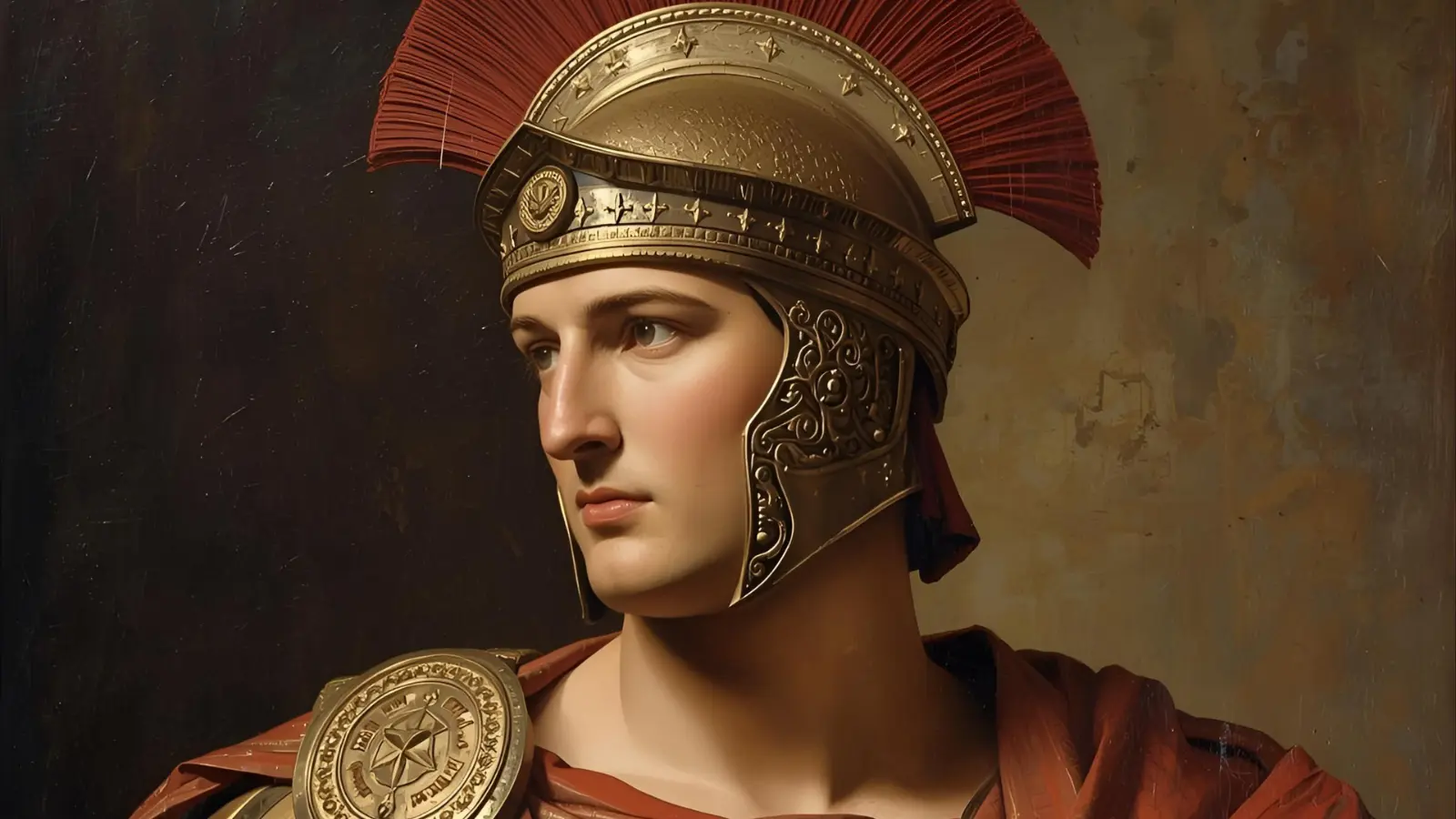
William Shakespeare’s “Julius Caesar” is a timeless tragedy that delves into power, ambition, betrayal, and moral conflict. Written in 1599, the play explores the consequences of political ambition, loyalty, and the struggle between public duty and personal morality.
Symbolism in Julius Caesar enriches the story, providing layers of meaning that extend beyond the historical events. Through omens, letters, weather, and personal interactions, Shakespeare conveys universal truths about human nature, political intrigue, and moral responsibility.
This article explores the symbolism in Julius Caesar, covering characters, events, objects, natural elements, and recurring motifs, along with their relevance in literature, dreams, modern culture, and life lessons.
The Ides of March: Symbolism of Fate and Warning 📅
- March 15 (Ides of March): Represents inevitability of fate and the consequences of hubris.
- Caesar’s Ignored Warning: Highlights arrogance, denial, and vulnerability.
- Foreshadowing of Tragedy: Reminds the audience that destiny cannot be escaped.
Caesar as a Symbol 👑
- Ambition and Power: Caesar embodies human ambition and desire for control.
- Hubris: His pride symbolizes overconfidence and moral blindness.
- Martyrdom: After assassination, Caesar becomes a symbol of betrayal, legacy, and unintended consequences.
- Conflict Between Public and Private: Represents struggle between personal desires and civic duty.
Brutus as a Symbol of Morality and Internal Conflict ⚖️
- Moral Dilemma: Torn between friendship, loyalty, and duty.
- Honor vs. Emotion: Embodies rationality, virtue, and ethical struggle.
- Tragic Flaw: His indecision and idealism symbolize the complexity of human morality.
- Sacrifice and Consequence: Represents the cost of moral choices and political responsibility.
Cassius and Ambition 💼
- Manipulation and Persuasion: Cassius symbolizes human cunning and strategic ambition.
- Envy and Resentment: His jealousy highlights personal motives driving political action.
- Catalyst for Tragedy: Represents the danger of unchecked ambition and influence.
Omens and Natural Elements 🌩️
- Thunderstorms and Tempests: Symbolize chaos, political unrest, and divine warning.
- Soothsayer’s Warning: A representation of fate, destiny, and ignored counsel.
- Crows and Birds of Prey: Foretell death, betrayal, and societal turmoil.
- Calpurnia’s Dream of Caesar’s Statue Bleeding: Symbolizes foreshadowing of death and the fragility of power.
Letters and Written Symbols ✉️
- Anonymous Letter to Brutus: Represents manipulation, deception, and moral testing.
- Communication as Power: The way letters are used highlights influence, persuasion, and misinformation.
- Trust and Betrayal: Written messages symbolize the fragility of relationships and reliance on perception.
The Conspiracy: Symbolism of Betrayal and Loyalty 🗡️
- Assassination Plot: Symbolizes moral ambiguity and ethical conflict.
- Hands of the Conspirators: Represent collective action and shared guilt.
- Brutus’ Internal Struggle: Highlights the tension between public duty and private loyalty.
- Caesar’s Last Words: “Et tu, Brute?” symbolizes ultimate betrayal and disillusionment.
Roman Republic vs. Individual Ambition 🏛️
- Public vs. Private Interests: The play symbolizes the tension between civic duty and personal ambition.
- Republican Ideals: Brutus embodies the struggle to preserve civic virtue.
- Personal Gain: Caesar and Cassius symbolize ambition at the expense of societal stability.
- Moral Consequences: The downfall of leaders reflects the cost of misaligned priorities.
Symbolism of Blood and Death 💉
- Caesar’s Assassination: Blood symbolizes betrayal, guilt, and irreversible change.
- Civil War: Death in the aftermath represents chaos, consequences, and moral collapse.
- Handkerchief and Stains: Symbolize evidence, memory, and moral accountability.
Symbolism in Characters’ Dialogue 🗣️
- Rhetorical Appeals: Brutus’ and Antony’s speeches symbolize persuasion, truth, and manipulation.
- Moral vs. Emotional Speech: Dialogue conveys internal conflict and societal influence.
- Foreshadowing and Irony: Words often symbolize the gap between appearance and reality.
Julius Caesar Symbolism in Literature & Art 🎨📖
- Shakespearean Drama: Symbolism enhances themes of power, loyalty, and fate.
- Visual Art: Scenes of Caesar’s assassination often symbolize moral lessons and historical consequence.
- Modern Adaptations: Films, plays, and novels use symbolism to explore ambition, corruption, and ethical dilemmas.
- Educational Insights: Symbolism teaches critical thinking about leadership, ethics, and human behavior.
Symbolism in Dreams 🌙💭
- Assassination or Betrayal: Personal fears about trust, deception, or moral conflict.
- Storms or Darkness: Emotional turmoil or imminent change.
- Seeing Leaders or Authority Figures: Reflections on ambition, power, and ethical responsibility.
- Blood or Violence: Symbolizes consequences of choices and unaddressed conflicts.
Life Lessons from Julius Caesar Symbolism 🌱
- Understand the Consequences of Ambition: Power can corrupt and lead to downfall.
- Balance Loyalty and Morality: Ethical choices are rarely simple.
- Heed Warnings and Intuition: Ignoring advice can have serious consequences.
- Reflect on Human Nature: People possess both virtue and vice.
- Communication Shapes Reality: Words, letters, and rhetoric can influence perception and action.
FAQs on Julius Caesar Symbolism ❓🎭
Q1: What is the main symbolism in Julius Caesar?
It symbolizes ambition, betrayal, morality, fate, and the tension between personal desire and public duty.
Q2: What does the Ides of March represent?
The Ides of March represents fate, warnings, and the inevitability of consequences.
Q3: How is Caesar’s death symbolic?
It symbolizes betrayal, the cost of ambition, and societal change.
Q4: What do omens and storms symbolize?
They symbolize foreshadowing, chaos, divine warning, and societal unrest.
Q5: Why is Brutus symbolic?
Brutus represents morality, internal conflict, and the struggle between loyalty and ethical duty.
Q6: How is blood used symbolically in the play?
Blood symbolizes betrayal, guilt, irreversible action, and moral consequence.
Conclusion 🌟
Shakespeare’s “Julius Caesar” is a rich tapestry of symbolism, themes, and moral lessons. Through omens, colors, dialogue, and events, the play explores ambition, betrayal, loyalty, and human nature.
Understanding the symbolism helps readers reflect on ethical decisions, personal ambition, societal responsibility, and the consequences of actions. Julius Caesar remains a timeless story that continues to illuminate the complexities of human behavior and leadership. ⚔️✨