
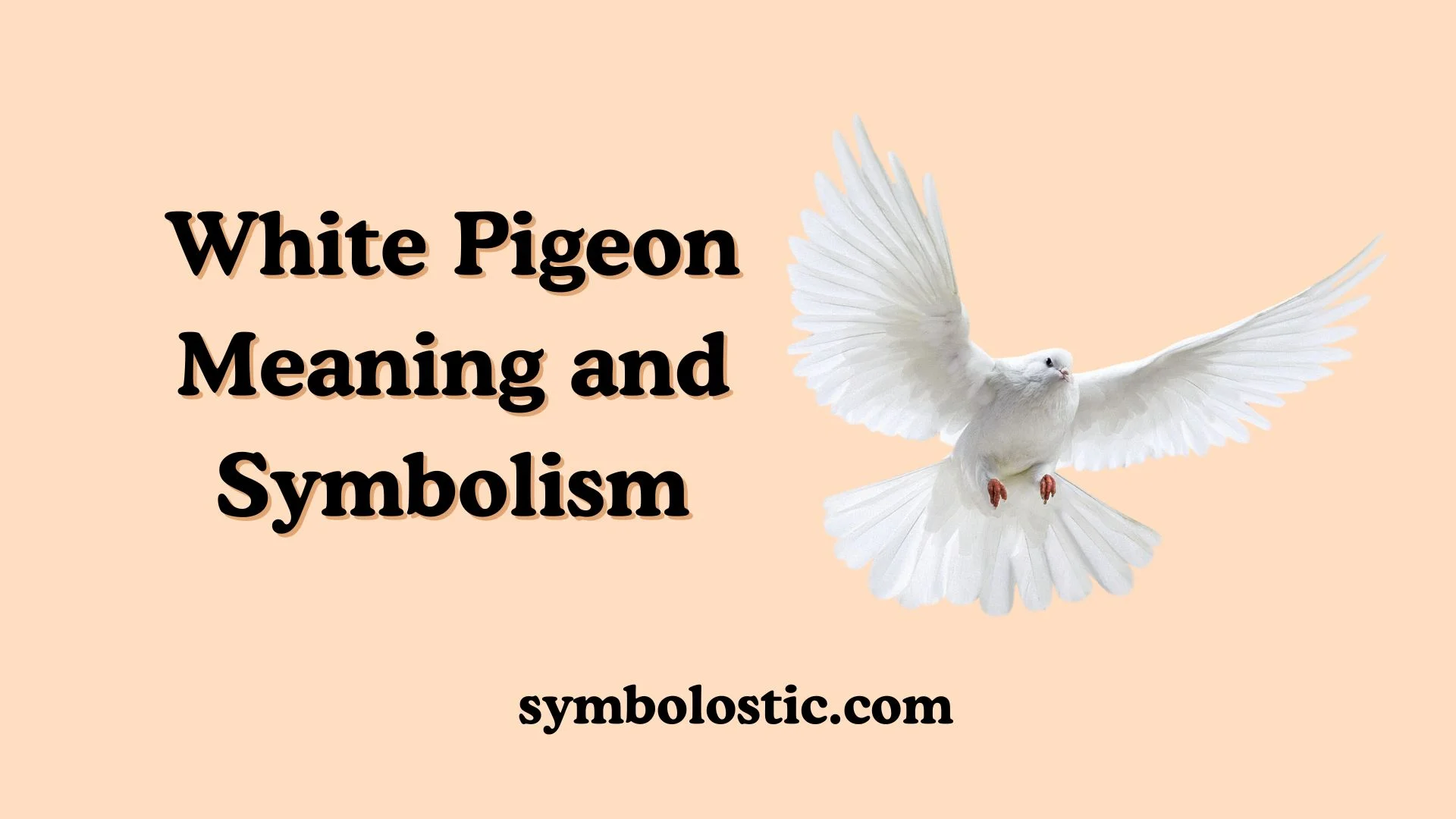
The white pigeon, with its gentle presence and pristine feathers, has long captivated human imagination. In the United States, it is most often associated with peace, hope, and purity, appearing in religious ceremonies, art, literature, and even pop culture. But the symbolism of the white pigeon stretches far beyond the modern USA, with roots in ancient mythologies, spiritual traditions, and global cultural stories. Understanding its meaning helps us appreciate why this bird continues to inspire tattoos, home décor, and digital imagery today.
People often wonder why the white pigeon, rather than a dove or other bird, carries such a weighty symbolic charge. Its calm demeanor, soft cooing, and distinctive white plumage make it a universal emblem of gentleness and optimism. This article delves into the white pigeon’s history, cultural significance, emotional resonance, and modern relevance, providing a thorough guide for readers interested in symbolism and identity.
Quick Answer
The white pigeon symbolizes peace, hope, and purity in the USA. Globally, it also represents spiritual messages, freedom, and love. Its imagery appears in ceremonies, art, and personal expression.
TL;DR
• White pigeons represent peace, hope, and spiritual purity.
• They have roots in ancient mythologies and religious texts.
• In the USA, they appear in ceremonies, holidays, and media.
• They evoke calmness, love, and optimism psychologically.
• Modern use includes tattoos, décor, social media, and branding.
• Misuse or controversial uses are rare but documented historically.
Overview of White Pigeon Symbolism
White pigeons are medium-sized birds with soft white feathers, short beaks, and gentle cooing sounds. They are typically seen in parks, religious spaces, and ceremonial releases. Their pure white color naturally conveys themes of innocence and spiritual clarity.
Core Symbolism
• Peace and reconciliation, especially in public ceremonies.
• Spiritual messages or divine guidance.
• Hope, renewal, and new beginnings.
• Love and fidelity in personal and cultural contexts.
Historical Background and Ancient Roots
The symbolic significance of white pigeons dates back thousands of years.
Ancient Civilizations
In Mesopotamia, pigeons were considered sacred messengers of the gods, often linked with fertility and protection. Ancient Egyptians also depicted white birds in tomb art as symbols of the soul’s journey.
Biblical and Christian Traditions
White pigeons, often synonymous with doves, appear in the Bible as signs of peace and divine blessing. For example, a dove returning to Noah’s Ark with an olive branch signaled the end of the flood.
Evolution Over Time
• Early humans associated white birds with the sky, air, and spiritual freedom.
• Medieval Europe saw pigeons as symbols of love, often kept in monastic gardens.
• 19th–20th century USA embraced the white pigeon in peace activism and ceremonial releases.
Symbolism in the USA
In the United States, the white pigeon carries strong cultural and emotional weight.
National and Civic Symbol
• Released at peace rallies and memorials to symbolize reconciliation.
• Featured in literature and film as an emblem of hope.
• Incorporated into wedding ceremonies to represent love and fidelity.
Pop Culture References
Movies, books, and public art frequently depict white pigeons to signal transformation or serenity. They often appear in scenes emphasizing emotional catharsis or moral guidance.
Cross-Cultural and Spiritual Meanings
While the USA focuses on peace and hope, global interpretations add depth:
Key Associations
• In Hinduism, pigeons symbolize the soul and spiritual devotion.
• In Japan, white birds can signify rebirth or renewal.
• In Middle Eastern traditions, pigeons are messengers of divine will.
These interpretations, though secondary in the USA, enrich the bird’s symbolic range and show its universal appeal.
Emotional and Psychological Associations
White pigeons evoke calming, positive emotions.
Feelings They Inspire
• Serenity and stress relief, due to gentle movements and soft coos.
• Hope and optimism during times of uncertainty.
• Love and loyalty, often connected to personal relationships.
• Spiritual reflection and mindfulness, particularly in ceremonial contexts.
Modern Usage
White pigeons remain relevant in contemporary life, visually and symbolically.
Tattoos and Personal Symbols
• Small white pigeon tattoos symbolize inner peace or spiritual guidance.
• Often paired with olive branches or abstract light motifs.
Home Décor and Social Media
• Figurines and wall art feature white pigeons for a sense of calm.
• Emojis and digital illustrations represent peace or forgiveness online.
Holidays and Ceremonies
• Released at weddings, memorials, or civic events to symbolize hope.
• Associated with Easter and Christmas for spiritual purity themes.
Misunderstandings and Controversies
Despite positive connotations, there are occasional misuses:
Controversial Contexts
• Some groups have used white pigeons in propaganda, misappropriating peace symbolism.
• Captive or mass-released pigeons can cause environmental or ethical concerns.
• Mislabeling between doves and pigeons sometimes leads to symbolic confusion.
Clear distinctions between symbolic intent and misuse are important in both historical and modern contexts.
Shifts in Meaning Over Time
The white pigeon’s symbolism has evolved:
Timeline of Change
• Ancient: Divine messengers, fertility, protection.
• Medieval Europe: Love, domestic harmony.
• 19th–20th century USA: Peace, reconciliation, civil symbolism.
• Modern USA: Personal peace, tattoos, décor, social media imagery.
Symbolic Table: White Pigeon in Context
| Context | Meaning in the USA | Common Associations | Notes |
| Peace rallies | Reconciliation | Hope, unity | Often released during ceremonies |
| Weddings | Love and fidelity | Commitment, devotion | Popular in ceremonial releases |
| Memorials | Tribute and remembrance | Healing, reflection | Sometimes confused with white dove |
| Tattoos | Inner peace | Spirituality, optimism | Paired with branches or light motifs |
| Home décor | Serenity | Calm, mindfulness | Figurines, wall art, digital prints |
FAQs
What does a white pigeon symbolize in America?
It primarily symbolizes peace, hope, and spiritual purity, often seen in ceremonies and media.
Are white pigeons different from doves symbolically?
They are closely related; in the USA, both signify peace, but pigeons are more common in urban symbolism.
Can white pigeons have negative meanings?
Rarely; misuse occurs in propaganda or unethical mass releases, but these are exceptions.
Why are white pigeons used in weddings and memorials?
Their purity and gentle nature represent love, reconciliation, and hope for the future.
Do white pigeons hold spiritual meaning globally?
Yes, in Hinduism, Middle Eastern, and Japanese traditions, they convey messages of the soul, renewal, or divine guidance.
Conclusion
The white pigeon continues to resonate in the USA as a symbol of peace, hope, and spiritual clarity. Its long history, from ancient sacred traditions to modern ceremonial uses, enriches its meaning and emotional appeal. Whether seen in tattoos, home décor, or public ceremonies, the white pigeon reminds us of the enduring human desire for harmony and renewal. Observing or using this gentle bird symbolically offers a quiet, universal way to connect with optimism, love, and serenity in everyday life.