
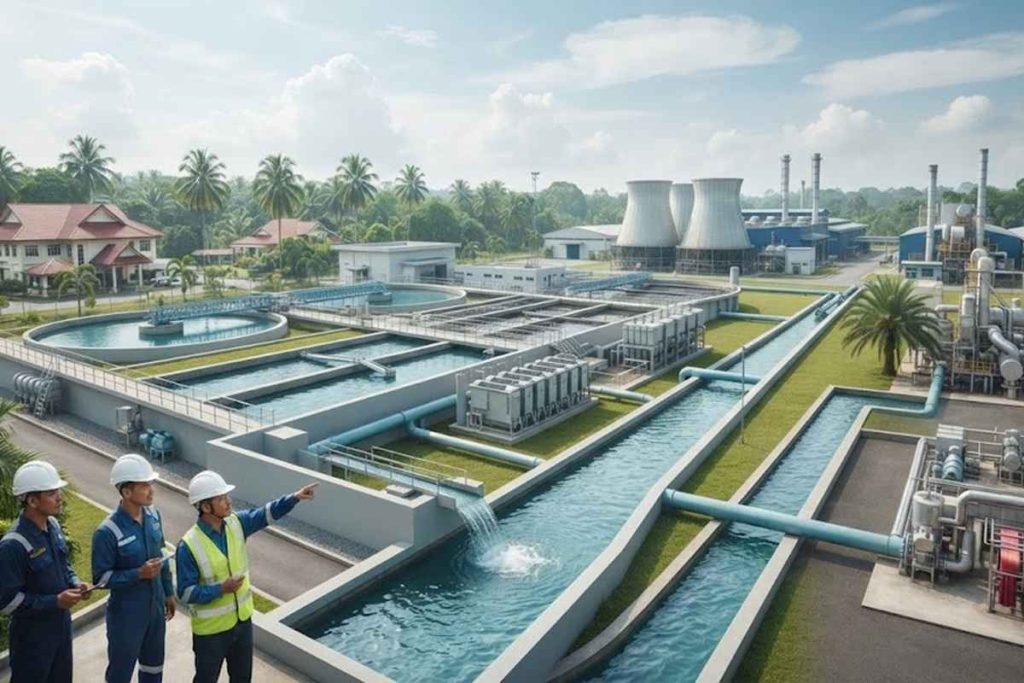
Malaysia has experienced rapid industrial growth over the past few decades, making wastewater management an essential part of sustainable development. Manufacturing plants, processing facilities, healthcare institutions, and resource-based industries all rely heavily on water during daily operations. As a result, large amounts of wastewater are generated, containing contaminants that must be treated before being released into the environment.
Proper wastewater treatment helps industries comply with environmental regulations while protecting rivers, lakes, and groundwater from pollution. It also supports water conservation by allowing treated water to be reused for certain industrial processes. As environmental awareness continues to grow, Wastewater Treatment Malaysia has become an important solution for businesses aiming to achieve sustainable and compliant operations.
Why Wastewater Treatment Matters?
Industrial wastewater often contains chemicals, oils, heavy metals, organic waste, and suspended solids that can damage ecosystems if discharged without treatment. Effective wastewater treatment removes these pollutants, ensuring that water released into the environment meets Malaysia’s environmental standards. This reduces the risk of water contamination and protects aquatic life.
Beyond environmental protection, wastewater treatment also provides economic and operational advantages. Companies can reduce water consumption through recycling, lower operational costs, extend equipment lifespan, and strengthen their sustainability efforts. These benefits help businesses remain competitive while demonstrating their commitment to responsible environmental practices.
Industries That Need Wastewater Treatment
1. Food and Beverage Industry
The food and beverage industry is one of Malaysia’s largest manufacturing sectors and consumes substantial amounts of water during food preparation, cleaning, processing, and packaging. These activities generate wastewater containing fats, oils, grease, sugars, proteins, starches, and suspended solids that require proper treatment before disposal.
Wastewater treatment systems help remove these organic pollutants through biological and physical treatment processes. Besides meeting environmental regulations, treated water can often be reused for cleaning or cooling purposes, helping food manufacturers reduce water consumption and improve overall production efficiency.
2. Palm Oil Industry
Malaysia is among the world’s leading producers of palm oil, making this industry a significant contributor to the national economy. Palm oil mills generate large volumes of palm oil mill effluent (POME), which contains high concentrations of organic matter, nutrients, and suspended solids that can severely pollute waterways if left untreated.
Modern wastewater treatment technologies reduce pollutant levels while allowing mills to capture biogas generated during treatment. This renewable energy source can be used to produce electricity, helping companies lower energy costs while improving sustainability and complying with environmental regulations.
3. Electronics Manufacturing
Malaysia is recognized as a major hub for electronics and semiconductor manufacturing. During production, wastewater is generated from cleaning, electroplating, etching, and chemical processing activities. This wastewater may contain heavy metals, acids, solvents, and various hazardous chemicals.
Advanced treatment methods such as chemical precipitation, membrane filtration, and ion exchange effectively remove these contaminants before discharge. Proper wastewater treatment helps electronics manufacturers protect natural water resources while maintaining the high environmental standards expected by international customers.
4. Chemical Manufacturing
Chemical manufacturing facilities produce wastewater that contains complex mixtures of chemicals, acids, alkalis, solvents, and toxic organic compounds. Since these pollutants vary depending on the products being manufactured, Wastewater Treatment System Malaysia must be carefully designed to address specific contaminants.
Using physical, chemical, and biological treatment methods together ensures hazardous substances are safely removed before wastewater is discharged. Effective treatment also minimizes environmental risks, supports regulatory compliance, and promotes safer industrial operations.
5. Textile Industry
Textile production requires large amounts of water for dyeing, bleaching, washing, and finishing fabrics. These processes generate wastewater containing dyes, salts, detergents, bleaching agents, and various chemical additives that can negatively affect water quality if not properly treated.
Advanced wastewater treatment technologies remove color, chemicals, and suspended particles before discharge. Wastewater Treatment Malaysia helps textile manufacturers improve environmental performance, meet international sustainability standards, and reduce their dependence on freshwater resources.
6. Pharmaceutical Industry
The pharmaceutical industry produces wastewater containing active pharmaceutical ingredients, antibiotics, laboratory chemicals, solvents, and other complex compounds. Some of these substances remain biologically active even after entering wastewater, making proper treatment especially important.
Specialized treatment technologies effectively eliminate pharmaceutical residues and reduce the risk of environmental contamination. Proper wastewater management also helps prevent harmful substances from entering natural water sources while ensuring compliance with strict environmental regulations.
7. Oil and Gas Industry
Oil and gas operations generate wastewater during drilling, refining, equipment cleaning, and petroleum processing. This wastewater often contains oil, grease, hydrocarbons, suspended solids, and dissolved chemicals that require careful treatment before disposal or reuse.
Oil-water separation systems, flotation technologies, biological treatment, and filtration processes help remove contaminants efficiently. Proper wastewater treatment reduces environmental pollution while supporting safer and more sustainable operations throughout the oil and gas industry.
8. Healthcare Facilities
Hospitals, laboratories, and healthcare facilities produce wastewater containing disinfectants, pharmaceuticals, pathogens, blood residues, and cleaning chemicals. Unlike ordinary domestic wastewater, healthcare wastewater often requires specialized treatment to eliminate both biological and chemical contaminants.
Advanced disinfection systems and biological treatment processes ensure wastewater is safe before being discharged or transferred to municipal treatment facilities. Wastewater Treatment Malaysia enables healthcare providers to protect public health while maintaining compliance with environmental regulations.
9. Mining Industry
Mining activities generate wastewater during mineral extraction, ore processing, equipment cleaning, and dust suppression operations. This wastewater frequently contains heavy metals, suspended solids, acids, and mineral residues that can contaminate surrounding water resources.
Treatment systems use sedimentation, chemical neutralization, filtration, and metal removal technologies to improve water quality before discharge. Responsible wastewater management also supports environmental restoration efforts and helps mining companies maintain regulatory compliance.
10. Rubber Manufacturing
Malaysia’s rubber manufacturing industry produces a wide variety of products, including gloves, industrial components, and automotive parts. Wastewater generated during production often contains latex particles, ammonia, oils, processing chemicals, and suspended solids that require effective treatment.
Modern wastewater treatment systems remove contaminants through biological treatment, coagulation, and filtration processes. These systems help manufacturers reduce pollution, improve water reuse opportunities, and strengthen their commitment to sustainable industrial production.
Why Insignia Water Leads the Industry?
Insignia Water Sdn Bhd is a trusted provider of industrial wastewater treatment solutions in Malaysia. The company delivers customized systems that help industries meet environmental regulations, improve water management, and enhance operational efficiency. Its expertise allows businesses across various sectors to implement reliable and effective treatment solutions.
With experienced professionals and quality engineering services, Insignia Water supports clients from system design to maintenance. The company focuses on delivering practical, sustainable, and cost-effective solutions that ensure long-term performance, making it a preferred partner for industrial wastewater treatment in Malaysia.
Conclusion
Wastewater treatment is essential for supporting Malaysia’s diverse industrial sectors while protecting the country’s valuable natural water resources. Industries such as food processing, palm oil, electronics, chemicals, textiles, pharmaceuticals, oil and gas, healthcare, mining, and rubber manufacturing all benefit from reliable wastewater treatment systems that address their unique operational needs.
By investing in advanced wastewater treatment technologies, businesses can achieve regulatory compliance, improve operational efficiency, conserve water, and reduce environmental impact. Wastewater Treatment Malaysia continues to support sustainable industrial growth by helping organizations protect the environment while ensuring long-term operational success.