
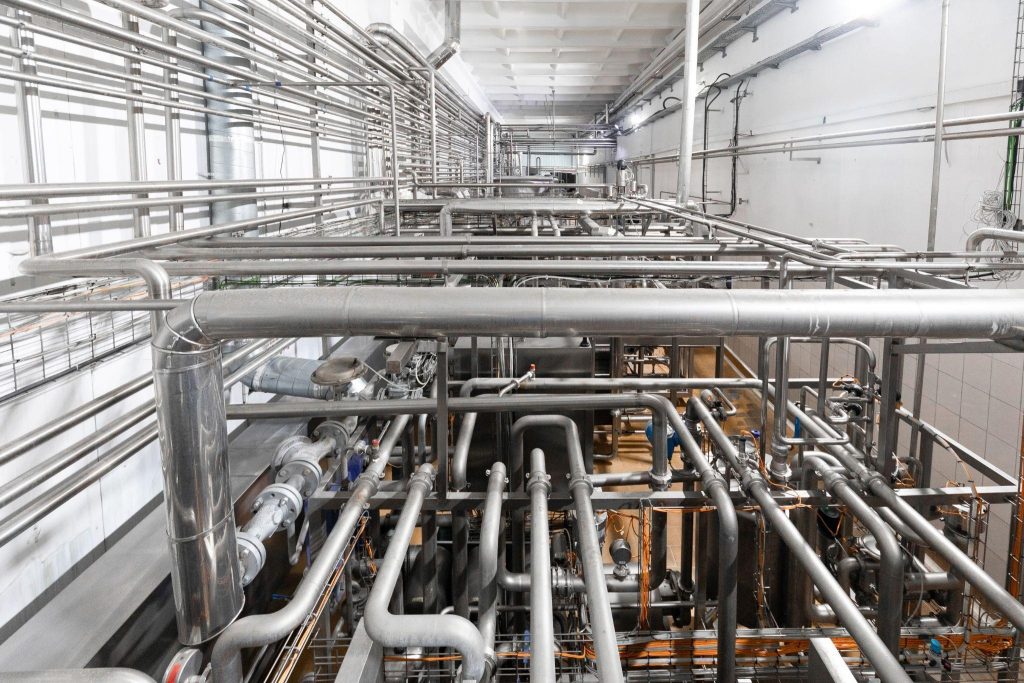
Selecting a stainless steel tube involves much more than choosing a material grade. While 304 grade stainless steel is widely recognised for its strength, corrosion resistance and versatility, its overall performance also depends on a range of material specifications. Factors such as dimensions, manufacturing methods, mechanical properties, applicable standards and intended use all influence whether a tube is suitable for a particular project.
Whether the application involves food processing, chemical manufacturing, construction, water treatment or general fabrication, understanding these specifications of 304 stainless steel tubes helps engineers, fabricators and purchasing teams make informed decisions. Rather than focusing solely on the alloy itself, it is important to consider how the complete material specification supports the demands of the operating environment.
Why 304 Stainless Steel Is Widely Used
Type 304 stainless steel is one of the most commonly specified stainless steel grades across many industries. It contains chromium and nickel, giving it excellent corrosion resistance under a wide range of service conditions while maintaining good strength and formability.
Its versatility allows it to be used in applications ranging from processing equipment and architectural structures to industrial piping systems and fabricated components. The material is also valued for its ability to be formed, machined and welded, making it suitable for projects that require customized fabrication.
Although 304 stainless steel tubes perform well in many environments, selecting the correct tube still requires careful attention to the detailed material specifications.
Understanding the Difference Between 304 and 304L
Many projects specify either 304 or 304L stainless steel tubing. While these grades are very similar, there is one important distinction.
304L contains a lower carbon content than standard 304 stainless steel. This lower carbon level helps reduce carbide precipitation during welding, improving corrosion resistance in welded sections without requiring additional heat treatment in many applications.
For projects involving extensive welding, engineers may select 304L because it supports better long-term performance in fabricated assemblies. Understanding the difference between these closely related grades helps ensure the selected material matches the manufacturing process as well as the intended application.
Manufacturing Method Influences Performance
Material specifications also identify how the stainless steel tube has been manufactured. Two of the most common production methods are seamless and welded tubing.
Seamless tubes are manufactured without a welded seam and are often selected for applications involving higher pressures or demanding operating conditions. Welded tubes are produced by forming and welding stainless steel strip into a tubular shape before finishing the weld.
Both manufacturing methods have appropriate applications depending on project requirements. The specification helps engineers determine which option best suits the operating environment, pressure requirements and fabrication needs.
Tube Dimensions Matter
The material grade alone does not determine whether a tube is suitable for a project. Dimensions are equally important.
Outside diameter, wall thickness and tube length all influence the performance of the finished system. A tube intended for structural fabrication may require different dimensions from one used in pressure systems or fluid transfer.
Selecting appropriate dimensions helps ensure the tube provides sufficient strength while remaining compatible with the surrounding equipment, fittings and installation requirements. Careful attention to dimensional specifications also supports accurate fabrication and assembly during construction.
Industry Standards Provide Consistency
Material specifications frequently reference recognized industry standards that define manufacturing requirements, testing methods and quality expectations.
ASTM standards are widely used throughout the stainless steel industry and provide consistency across different manufacturers and applications. Depending on the intended use, stainless steel tubes may be produced to standards covering pressure tubing, mechanical tubing, heat exchanger tubing, hydraulic tubing or general industrial applications.
These standards help purchasers understand the performance characteristics expected from the material while providing confidence that the product has been manufactured according to established industry requirements.
Different Applications Require Different Tube Types
Not every stainless steel tube is intended for the same purpose. Material specifications often identify the type of service for which the tube has been manufactured.
Mechanical tubing may be selected for structural fabrication or equipment manufacturing. Pressure tubing is commonly used where fluids or gases are transported under pressure. Hydraulic tubing supports hydraulic systems, while boiler and heat exchanger tubing are designed for elevated temperatures and specialised industrial environments.
Understanding the intended application helps ensure that the selected tube performs appropriately under its expected operating conditions rather than relying solely on the material grade.
Fabrication Requirements Should Be Considered
Many industrial projects require stainless steel tubes to undergo additional fabrication before installation. Cutting, bending, machining and welding are all common manufacturing processes that influence material selection.
304 stainless steel is known for its good fabrication characteristics, allowing it to be formed into a wide variety of finished components. The lower carbon content of 304L further improves weldability for projects involving extensive welded construction.
Considering fabrication requirements during material selection helps reduce manufacturing challenges while supporting efficient production throughout the project.
Surface Finish Can Affect Performance
The surface finish of a stainless steel tube is another specification that should not be overlooked. Different finishes are selected depending on both functional and aesthetic requirements.
Some industrial applications require smooth finishes to support cleanliness and simplify maintenance, particularly in food processing or pharmaceutical environments. Architectural applications may place greater emphasis on appearance, while heavy industrial installations often prioritise durability over visual presentation.
Selecting an appropriate finish ensures the material meets both operational and environmental expectations throughout its service life.
Matching Material to the Operating Environment
Although 304 stainless steel offers excellent corrosion resistance, the surrounding environment should always be considered when selecting any material specification.
Factors such as temperature, humidity, chemical exposure, cleaning procedures and operating pressures all influence long-term performance. A tube suitable for indoor structural applications may require different specifications from one installed within a chemical processing facility or marine environment.
Reviewing the complete operating conditions alongside the material specification helps ensure the selected tube performs as intended over many years of service.
Looking Beyond the Material Grade
It is easy to assume that selecting 304 stainless steel automatically guarantees the right solution for every application. In reality, the material grade is only one part of a much larger specification.
Manufacturing method, dimensions, applicable standards, mechanical properties, fabrication requirements and operating conditions all contribute to the suitability of the finished product. Considering each of these elements together provides a much clearer understanding of how the material will perform once installed.
Taking a broader approach to material selection often leads to better project outcomes and greater long-term reliability.
Final Thoughts
304 stainless steel remains one of the most versatile materials used across modern industry, offering a combination of corrosion resistance, strength and fabrication flexibility. However, selecting the right tube involves much more than identifying the material grade alone.
Specifications covering 304 or 304L composition, seamless or welded construction, tube dimensions, ASTM standards, intended application, surface finish and fabrication requirements all contribute to the overall suitability of the product. By considering these factors together, engineers and fabricators can select stainless steel tubes that align with the technical requirements of each project while supporting dependable long-term performance.
Understanding the importance of material specifications helps ensure that the chosen stainless steel tube is not only made from the right alloy but is also manufactured and configured for the environment in which it will be used.
