
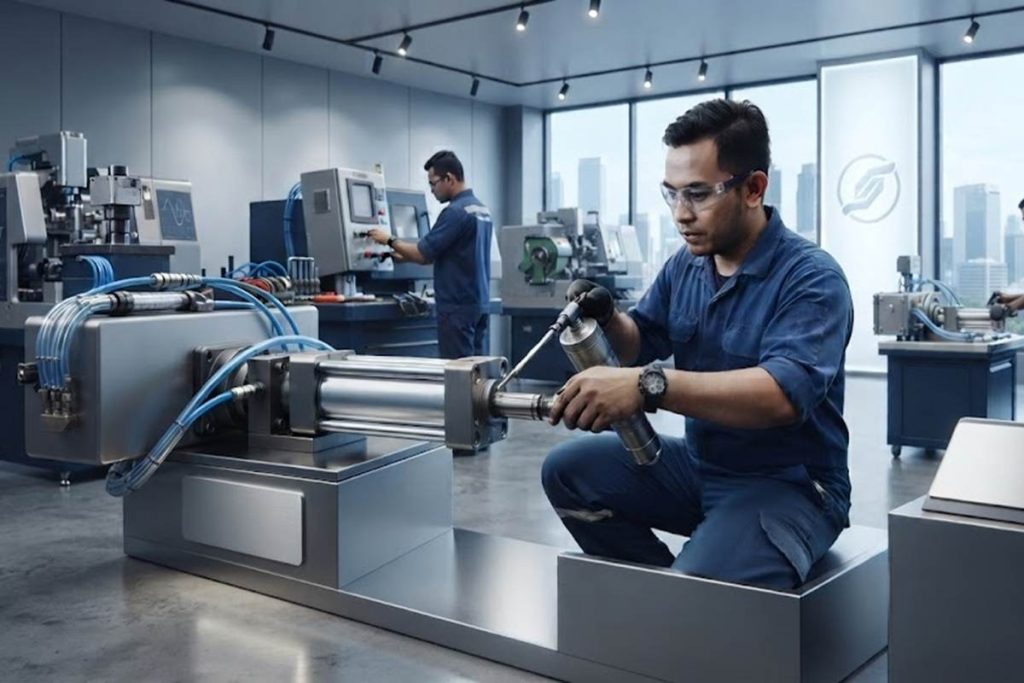
Pneumatic actuators play a vital role in industrial automation by converting compressed air into mechanical motion. They are widely used across manufacturing, packaging, food processing, automotive, and electronics industries because of their reliability, speed, and cost-effectiveness. Businesses investing in pneumatic actuator malaysia solutions benefit from equipment designed to improve productivity and operational efficiency.
Malaysia’s industrial environment presents unique challenges, including high humidity, fluctuating temperatures, and continuous production demands. These conditions can accelerate wear if maintenance is neglected. Fortunately, businesses can significantly extend the lifespan of pneumatic actuators through preventive maintenance, proper installation, and quality operating practices. The following guide explains the most effective ways to maximize the durability and efficiency of pneumatic actuators.
1. Choose the Right Actuator
The lifespan of a pneumatic actuator begins with selecting the correct model for the application. An actuator that is too small may experience excessive stress, while an oversized unit may consume unnecessary energy and operate inefficiently.
When selecting an actuator, consider factors such as:
- Required force and stroke length
- Operating pressure
- Environmental conditions
- Load characteristics
- Duty cycle
Using the correct actuator for each application minimizes internal wear and ensures smooth operation over an extended period.
2. Install the Actuator Properly
Even high-quality pneumatic actuators can experience premature failure if installed incorrectly. Proper installation reduces mechanical stress and prevents unnecessary strain on internal components. Selecting the right pneumatic actuator malaysia solution and following manufacturer installation guidelines further improves long-term reliability.
Ensure Correct Alignment
Misalignment between the actuator and connected equipment creates uneven loading. This can damage seals, piston rods, bearings, and mounting components over time.
Carefully align all moving parts before commissioning the system to ensure smooth and balanced movement.
Use Suitable Mounting Hardware
Secure mounting prevents excessive vibration during operation. Loose brackets or improper mounting accessories can lead to instability and accelerated wear.
Always use mounting components recommended by the manufacturer for the specific actuator model.
3. Maintain Clean and Dry Compressed Air
Compressed air quality has one of the greatest impacts on pneumatic actuator longevity. Contaminated air introduces moisture, oil residue, and dust into the actuator, causing internal damage. Consulting a reliable air cylinder supplier in malaysia can also help businesses select suitable air preparation components that improve system performance and protect pneumatic equipment.
Install Air Filters
Air filters remove dirt particles before they enter the pneumatic system. Clean air reduces abrasion on seals and internal surfaces.
Regular filter replacement ensures consistent air quality throughout the production process.
Control Moisture
Malaysia’s humid climate increases the likelihood of moisture entering compressed air systems. Water accumulation can cause corrosion and reduce the effectiveness of internal components.
Using air dryers and moisture separators helps maintain dry compressed air and protects pneumatic equipment from rust.
4. Lubricate Moving Components
Proper lubrication reduces friction between moving parts and prevents excessive wear. Although many modern pneumatic actuators are designed with permanent lubrication, some applications still require periodic maintenance.
Always follow the manufacturer’s recommendations regarding lubrication intervals and lubricant type. Over-lubrication can be just as harmful as insufficient lubrication, as excess oil may attract contaminants or damage seals.
Routine lubrication also helps maintain smooth piston movement and reduces energy loss caused by friction.
5. Monitor Operating Pressure
Operating beyond the recommended pressure range shortens actuator life by placing unnecessary stress on seals, cylinders, and piston assemblies.
Install pressure regulators to maintain consistent air pressure throughout the system. Regularly inspect gauges to ensure pressure remains within specified limits.
Sudden pressure fluctuations should be investigated immediately, as they may indicate leaks or compressor issues that can affect actuator performance.
6. Inspect Seals Regularly
Seals are essential for maintaining airtight operation within pneumatic actuators. Over time, seals naturally wear due to continuous movement and exposure to compressed air.
Common signs of seal deterioration include:
- Air leakage
- Reduced actuator speed
- Lower operating force
- Inconsistent movement
- Increased air consumption
Replacing worn seals before complete failure prevents additional damage to internal components and reduces costly downtime.
7. Prevent Contamination
Industrial facilities often generate dust, metal particles, chemicals, and other contaminants that may affect pneumatic equipment. Keeping every pneumatic actuator malaysia installation protected from external contamination helps maintain consistent performance and extends service life.
Protect actuators by installing suitable covers or guards in harsh environments. Regular cleaning of the external surfaces also prevents dirt from entering moving components during maintenance.
Facilities operating in food processing or pharmaceutical industries should follow strict cleanliness standards to ensure reliable actuator performance.
8. Perform Routine Maintenance
Preventive maintenance is one of the most effective ways to extend equipment lifespan. Rather than waiting for failures, scheduled inspections identify minor issues before they become major repairs.
A comprehensive maintenance program should include:
- Visual inspection for leaks
- Checking mounting bolts
- Cleaning external surfaces
- Monitoring operating speed
- Inspecting air supply quality
- Testing actuator response
Maintaining accurate service records also helps identify recurring issues and supports long-term equipment planning.
9. Protect Against Corrosion
Malaysia’s tropical climate exposes industrial equipment to high humidity throughout the year. Moisture can gradually corrode metal surfaces, particularly in coastal or outdoor environments.
Applying corrosion-resistant coatings and using stainless steel components where appropriate helps improve durability. Indoor storage for spare actuators also reduces exposure to moisture before installation.
Routine inspections should focus on identifying early signs of corrosion so corrective action can be taken promptly.
10. Avoid Excessive Side Loads
Pneumatic actuators are designed primarily for linear or rotary motion, depending on their type. Applying side loads beyond the manufacturer’s specifications places unnecessary stress on piston rods and bearings.
Where heavy external loads cannot be avoided, additional guide systems or support mechanisms should be installed to distribute forces evenly.
Proper mechanical design significantly reduces wear and extends actuator service life.
11. Monitor System Performance
Modern industrial facilities increasingly rely on predictive maintenance to improve equipment reliability. Monitoring actuator performance allows maintenance teams to identify gradual changes before failures occur.
Key performance indicators include:
- Air consumption
- Cycle time
- Operating pressure
- Temperature
- Response speed
- Vibration levels
Unexpected changes in these measurements often indicate developing mechanical problems that require attention.
12. Train Maintenance Personnel
Well-trained technicians are essential for maximizing pneumatic actuator lifespan. Proper knowledge ensures that maintenance procedures are carried out correctly and consistently.
Training should cover:
- Safe installation practices
- Inspection procedures
- Troubleshooting techniques
- Air system maintenance
- Proper component replacement
- Manufacturer recommendations
Continuous training helps maintenance teams stay updated with evolving technologies and industry best practices.
13. Use Genuine Replacement Parts
Replacing damaged components with low-quality alternatives may reduce initial costs but often leads to reduced reliability and shorter equipment life. Investing in genuine parts for pneumatic actuator malaysia applications helps maintain optimal performance and minimizes unexpected failures.
Whenever repairs are required, use genuine or manufacturer-approved replacement parts. High-quality seals, bearings, and mounting accessories maintain the actuator’s original performance and reduce the risk of repeated failures.
Investing in quality components generally results in lower maintenance costs over the equipment’s operational life.
14. Schedule Professional Inspections
While daily inspections can identify obvious issues, periodic evaluations by experienced pneumatic specialists provide additional protection against hidden problems.
Professional inspections often include detailed performance testing, air leakage analysis, component wear assessment, and recommendations for improving system efficiency.
Regular expert evaluations help optimize maintenance schedules and reduce the likelihood of unexpected production interruptions.
Why Engineers Trust Pneumotion?
Pneumotion Industrial Sdn. Bhd. has built a strong reputation for delivering high-quality pneumatic products that meet the needs of various industries across Malaysia. The company offers reliable pneumatic actuators, air cylinders, valves, and automation solutions that support efficient and long-lasting industrial operations.
With experienced technical support, quality products, and a commitment to customer satisfaction, Pneumotion helps businesses select the right pneumatic solutions for their applications. Its focus on dependable performance and responsive service makes it a trusted partner for engineers seeking reliable automation equipment.
Conclusion
Extending the lifespan of pneumatic actuators requires more than occasional maintenance. Proper selection, correct installation, clean compressed air, routine inspections, pressure control, and timely replacement of worn components all contribute to reliable long-term performance. Choosing dependable pneumatic actuator malaysia solutions and maintaining them consistently helps businesses achieve maximum operational efficiency.
By following these best practices, businesses can reduce downtime, improve operational efficiency, lower maintenance costs, and maximize the return on their investment in pneumatic automation systems. Consistent care not only extends the service life of pneumatic actuators but also supports safer and more productive industrial operations.